


On this visit to the neighboring town of Daya Vieja, which is just a 10-minute drive from Ciudad Quesada, we will have the opportunity to see both nature and human construction, each remarkable in its own way. Daya Vieja has a population of 726 inihabitants, making it the smallest municipality in the Vega Baja region.
The Palm Tree
In the Town Hall Square of this town (known as Plaza del León), there stands a monumental palm tree with six branches, all growing from a single root. This is the oldest recorded palm tree in the Valencian Community, at 210 years old, and the second tallest in the region, reaching 20.50 meters. The tallest palm tree in the Valencian Community is located on Calle de la Cruz in Orihuela, standing at 23.75 meters.
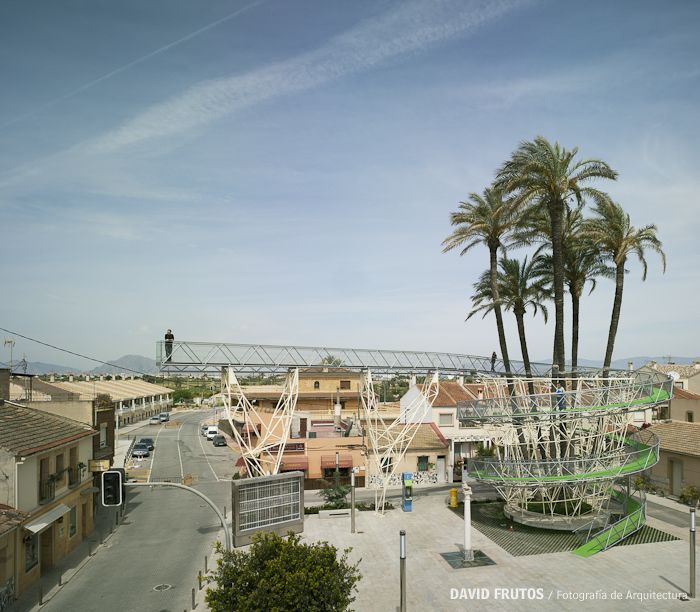
What makes this Phoenix dactylifera L. palm tree exceptional is the presence of five additional offshoots from its root. Due to its great height, it was at risk of toppling over in strong winds. Being such a slender tree, it was highly susceptible to damage, so a protective spiral structure was built around it. This structure is officially named the “Structural-Viewpoint for Palm Tree Support in Plaza del León,” though it is commonly referred to as “El mirador de la palmera” (The Palm Tree Viewpoint.)
The Viewpoint
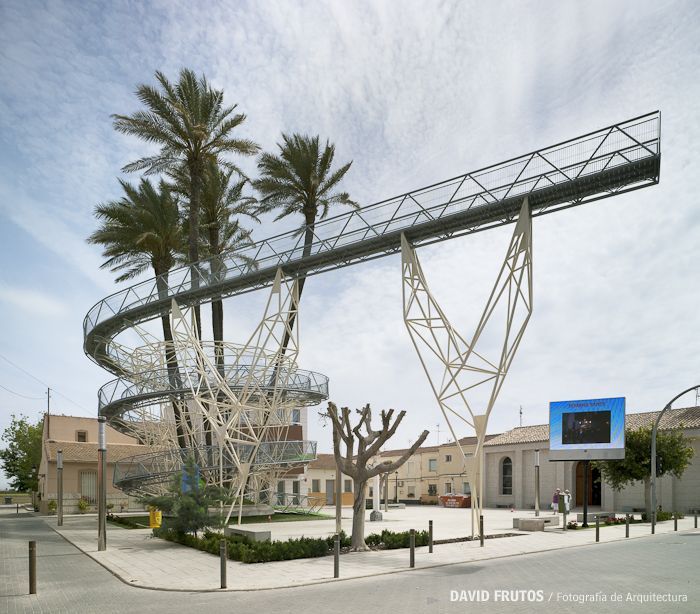
The protective system consists of a metal structure that wraps around the palm tree’s six branches like a corset. It features a spiral pedestrian ramp that ascends more than ten meters. At the top, a cantilevered aerial walkway extends outward, serving as an observation deck where visitors can take in views of the town and surrounding farmland. This palm tree-viewpoint ensemble has become a tourist attraction in the area. The project was designed by architect Joaquín Alvado Bañón.
The construction of the viewpoint took 18 months to complete. The structure is made from a delicate interweaving of steel bars, measuring three, four, and six centimeters thick. This design ensures the structure remains visually open, keeping the palm tree as the focal point.
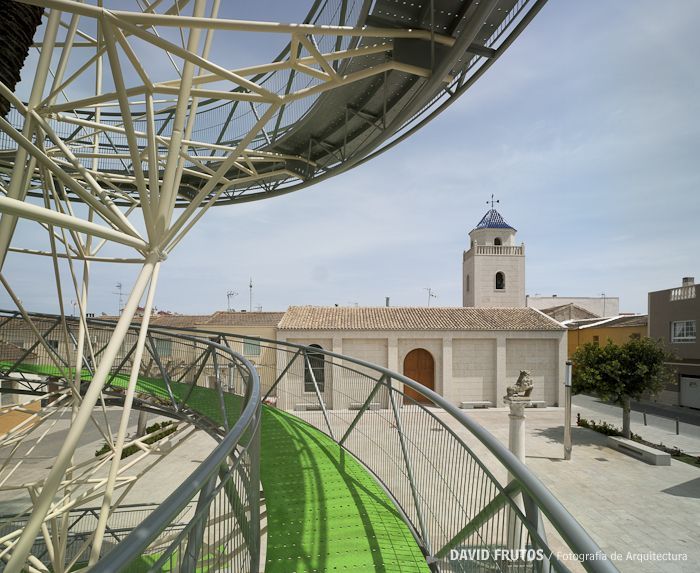
The architectural project has been both loved and criticized. While many admire its design and engineering solutions, others argue that its €552,489 cost was excessive. Of this amount, 95% was funded by the Provincial Council through a Special Works Plan, while the remaining 5% came from the local municipality. Some residents considered the expense disproportionate. Despite the controversy, it is undeniable that the viewpoint is unique, and its construction has helped turn Daya Vieja into a tourist attraction.
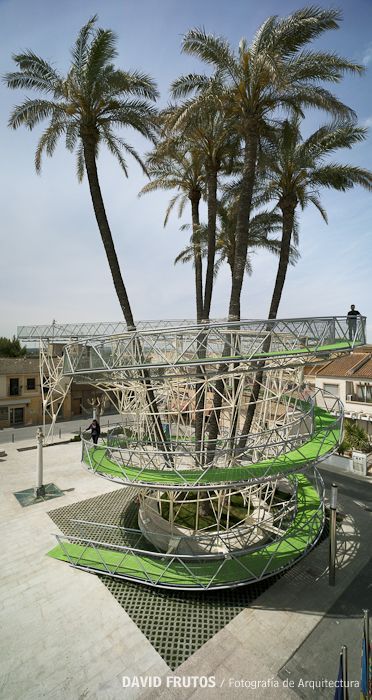
If you visit, it is absolutely worth climbing the ramp and walking along the entire structure to enjoy the stunning 360-degree views of the surrounding villages and farmland. However, if you are afraid of heights, be warned that the higher you go, the more noticeable the swaying becomes—even on windless days.
Where to eat in Daya Vieja
Of course, part of the reason for this visit is also to enjoy some great food. Daya Vieja, near Quesada, is a great place to try two of the most traditional dishes in the region: “Cocido con Pelotas” (meatball stew) and Rabbit Paella.
One of the best places to experience these dishes is “Restaurante La Caña,” a well-known spot famous for its homemade stews and traditional cuisine.
Cocido con Pelotas is highly recommended in the winter months. This hearty stew features meatballs typically made from pork loin and beef or turkey, mixed with egg, parsley, pine nuts, and breadcrumbs. It is such a staple dish in the area that there’s a popular joke: when you start dating someone, sooner or later, someone will ask if you’ve had “cocido con pelotas” at your in-laws’ house. If you have, it means the relationship is serious! In any case, the version served at La Caña is outstanding.
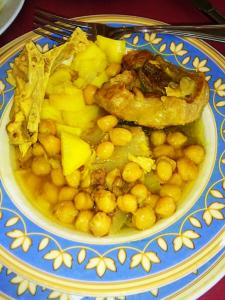
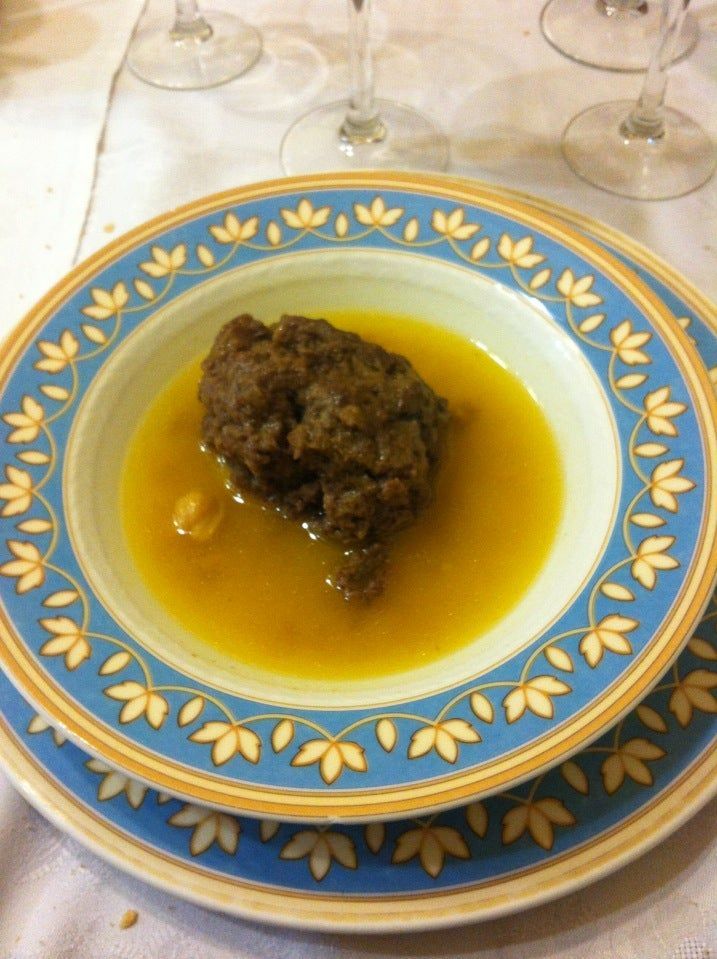
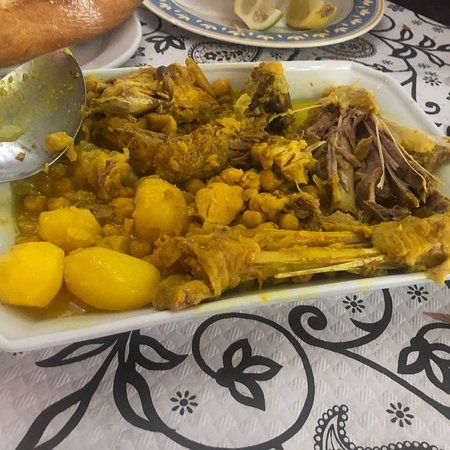
The restaurant also offers a variety of rice dishes that are worth trying more than once. Options include rabbit and snail rice, vegetable rice, and chicken rice. It is advisable to call ahead for reservations to avoid long wait times, as paella is always made fresh.
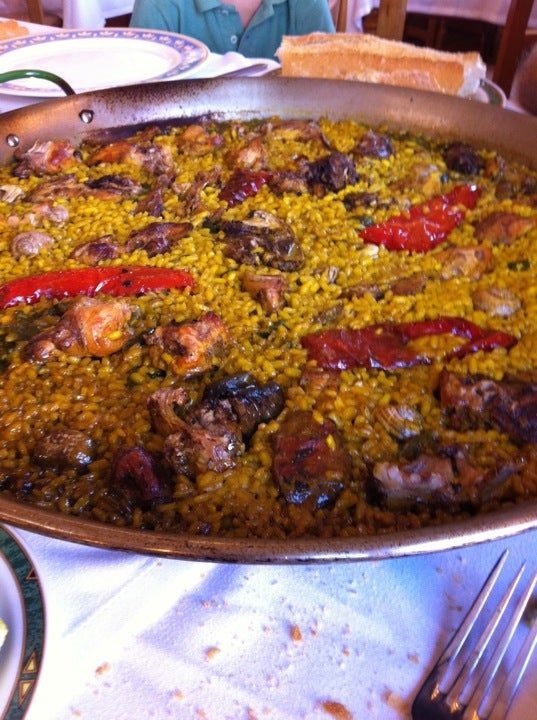
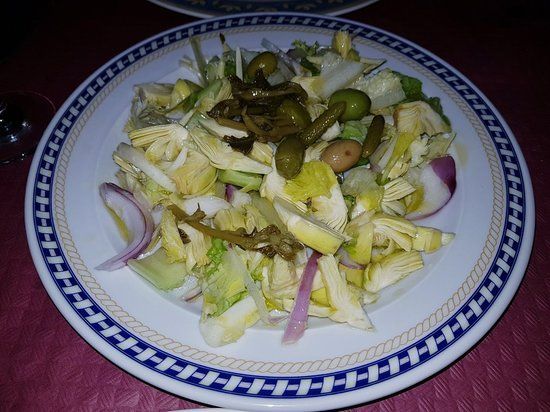
For starters, if you enjoy artichokes, we recommend trying them grilled or in a salad. The artichoke salad includes raw artichokes, radishes, celery, and escarole, simply dressed with olive oil, vinegar, and salt. It has a bold flavor, with the escarole adding a slight bitterness and the radish a touch of spice—truly delicious.
As mentioned earlier, Daya Vieja is just a 10–12-minute drive from Ciudad Quesada. If you prefer taking a taxi, expect to pay around €14 during the day and between €16–18 at night, on Sundays, or on holidays.

Leave a Reply
Your email is safe with us.